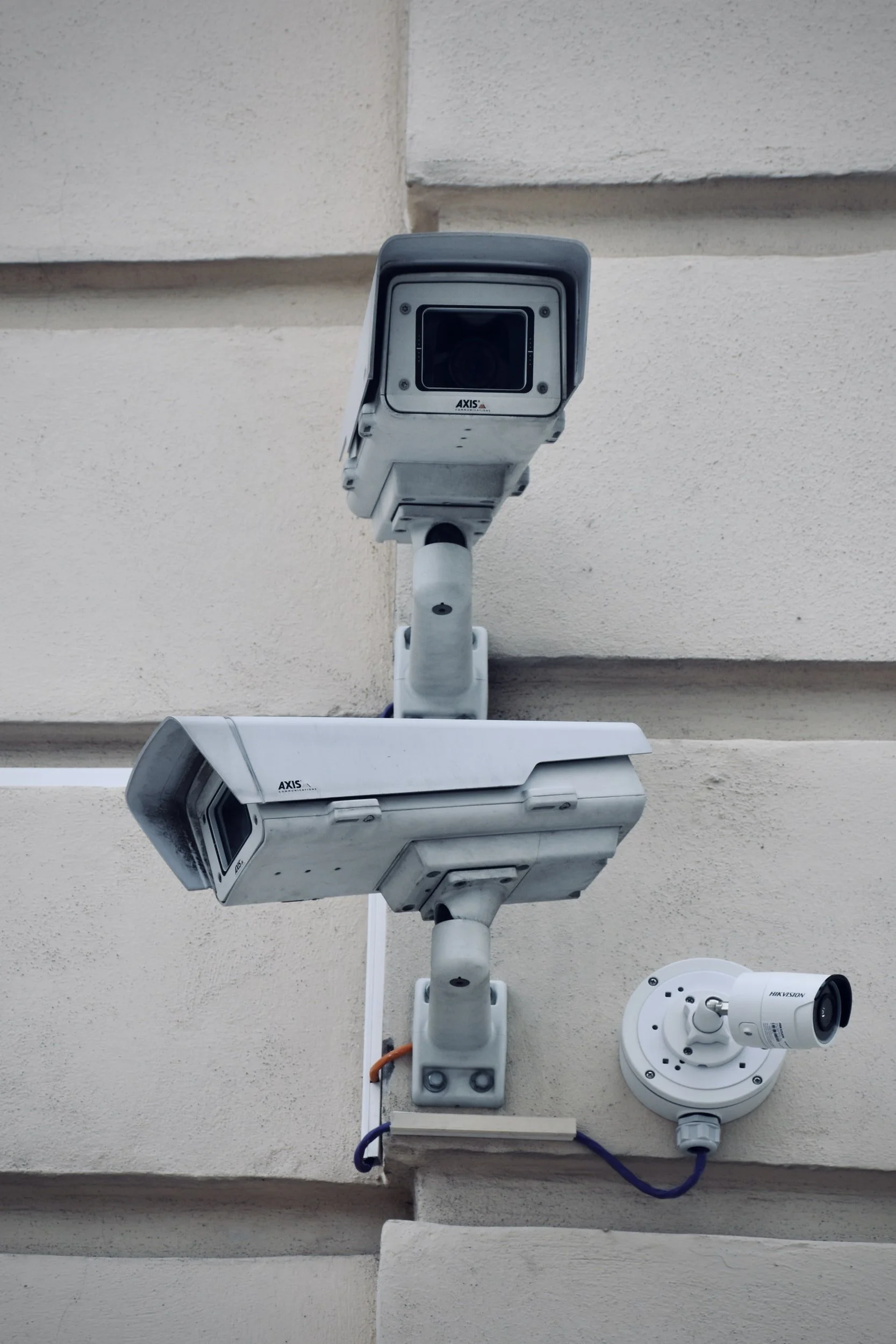
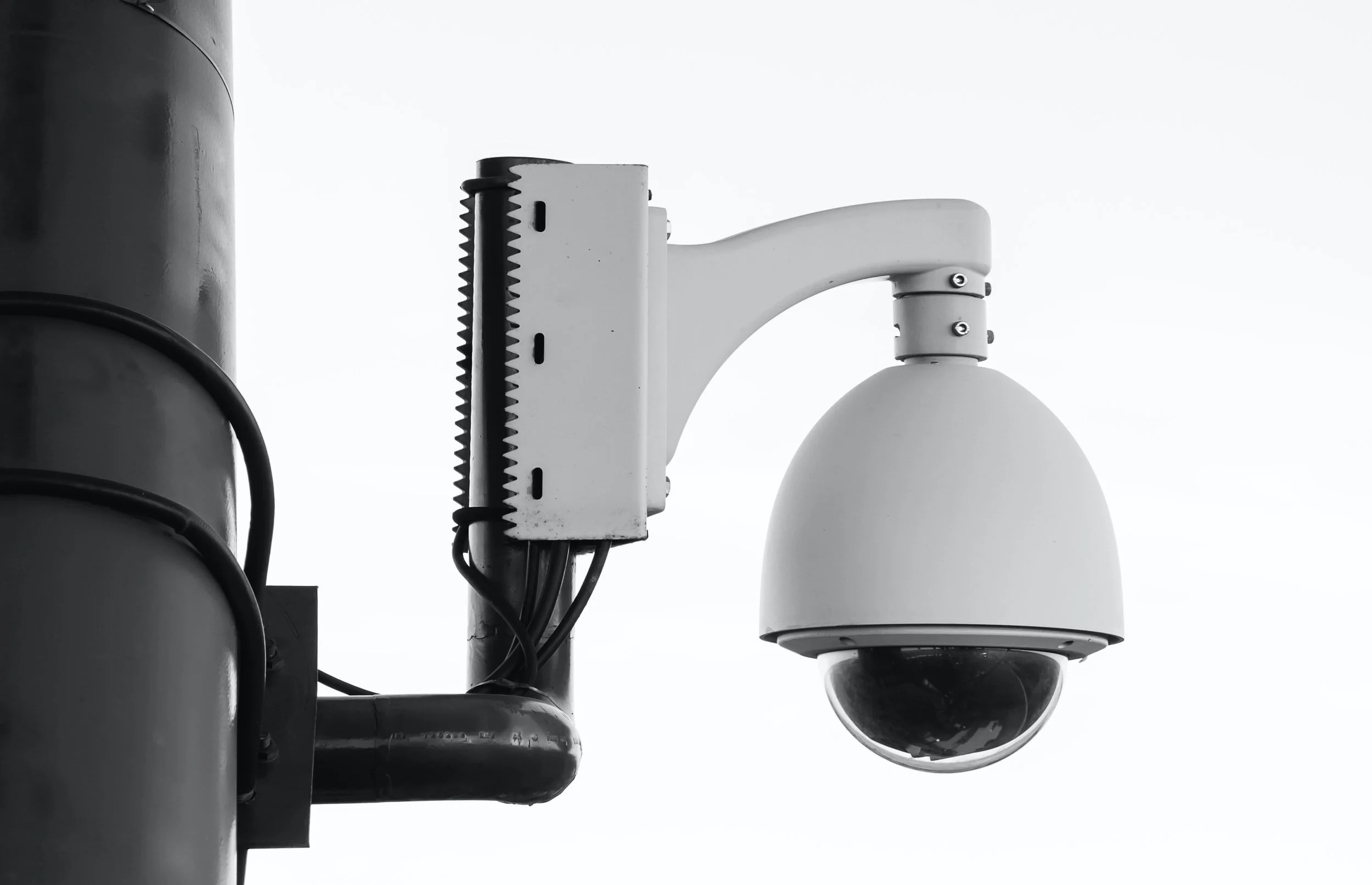
Understanding Security Camera Pixel Density and Its Importance
For a video surveillance system to provide useable forensic data after an incident occurs, there needs to be sufficient “pixel density” to allow an observer of the footage to see enough detail to be useable. Pixel density is often referred to as “Pixels Per Foot”, or PPF, and is used to determine how good the quality of an image will be in certain lighting conditions at certain distances. This could be to detect a person, read a license plate or notice if an object is moving. However, for forensic purposes, it is generally used for a persons’ face.
Read More
Wired vs. Wireless Alarm Systems: Which is Better for your Business?
Today’s wireless technology has come a long way, and many intrusion alarm systems are now available almost entirely wirelessly. Here we look at some of the pros and cons of wireless versus traditionally wired alarm systems.
Read More
The Starting Line for Securing Your Premises - Considerations and Costs
Your business is evolving, and the security industry is evolving right along with it to provide continuous and up-to-date protection of your assets, your people and your customers.
In today’s world of technology, there is a bewildering array of products and systems to choose from, but rest assured that choosing how to best secure your property is a straightforward process that starts with understanding two key variables.
Read More
How to Become an RCDD
Are you an Information and Communications Technology professional looking to tackle RCDD (Registered Communications Distribution Designer) as a career? Every professional is looking to advance in their profession, and aiming to achieve a renowned certification may be the most efficient way to move forward. Here in this article, we broke down all the processes in becoming an RCDD in three comprehensive segments. Click here to find out.
Read More